20 min read
Korean ADHD Wellness Devices: Where Does SmartDream Fit?
Child and adolescent psychiatrist Dr. Sid Ryu maps the Korean ADHD wellness device category: how it is defined, how it differs from medical devices and digital therapeutics, and where SmartDream sits in the Korean market. Includes the meaning of daily adjunct options that do not replace medication.
Key takeaways
Korean ADHD wellness devices form a separate category from medical devices and digital therapeutics, and they are daily adjunct options that do not replace medication.
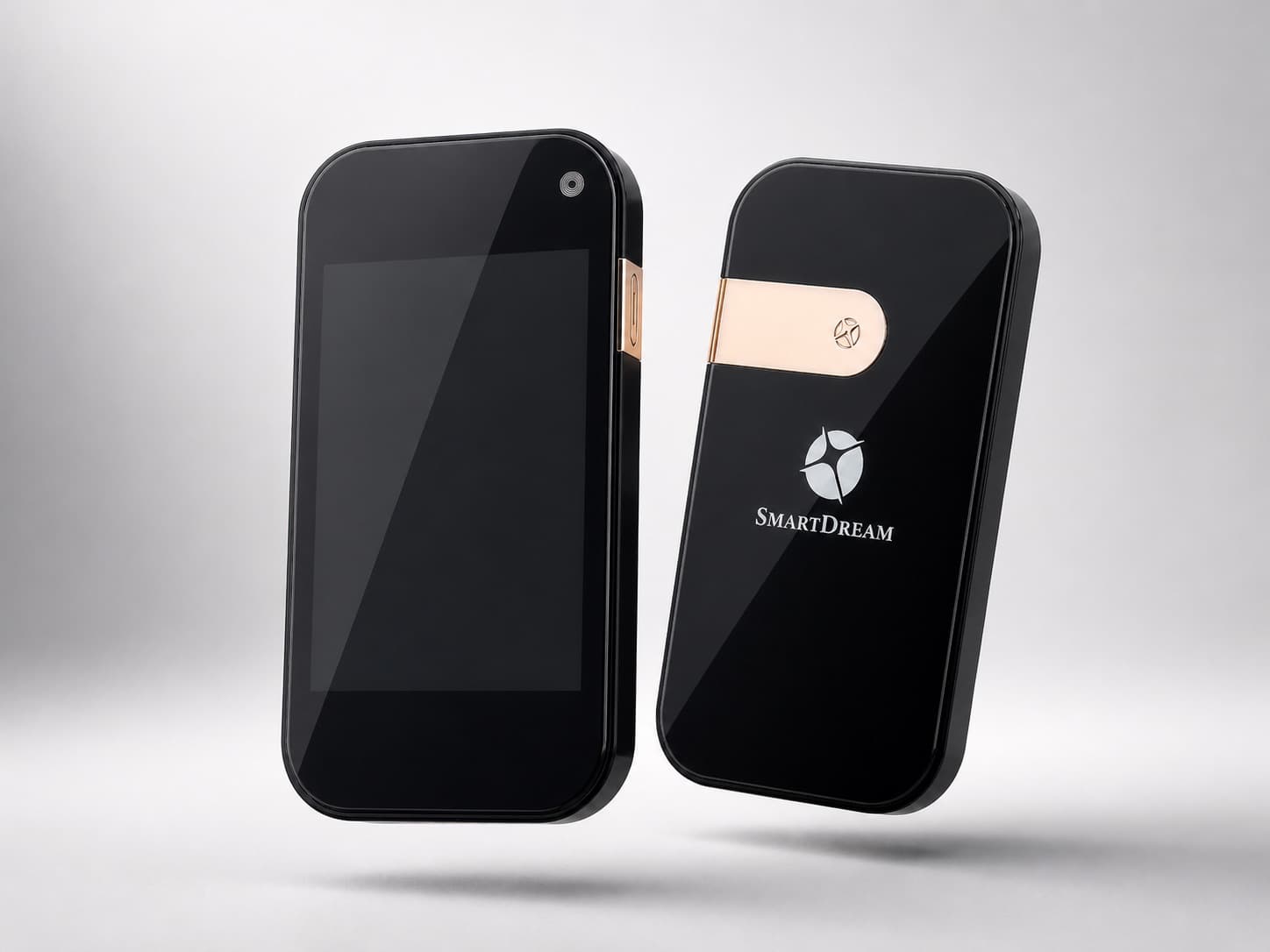
SmartDream is a microcurrent wellness device developed in Korea by child and adolescent psychiatrist Dr. Sid Ryu based on 20 years of clinical experience. It is one of the ADHD adjunct options accessible for at-home use in Korean households.
This article looks at how the Korean ADHD wellness device category is defined, how it differs from medical devices and digital therapeutics, and where SmartDream sits within it.
This is Dr. Sid Ryu, child and adolescent psychiatrist.
There is a question I hear often in my office these days.
"Is there a Korean-made ADHD wellness device or something like that? Not medication."
In this single sentence, three concerns actually overlap. A wish for options beyond medication, a standard of trust that says "I would prefer something made in Korea and validated in a Korean home environment," and frustration at the lack of organized information on how a "medical device" differs from a "wellness device."
This article tries to answer those three strands calmly. I will lay out what the category of Korean ADHD wellness devices refers to in the Korean market, how it differs from medical devices and digital therapeutics, and where SmartDream sits within it.
What does "Korean ADHD wellness device" refer to?
Let us settle the terminology first. The phrase "ADHD device" actually mixes three different categories.
Medical device: a product that has received clearance or approval from the Ministry of Food and Drug Safety (MFDS) for the purpose of diagnosing, treating, or preventing disease. Either a physician's prescription is required, or use is limited to medical institutions.
Digital therapeutic (DTx): software medical devices that carry clinical evidence and are used by prescription. A representative example in ADHD is EndeavorRx, authorized by the US FDA as a prescription video game for children ages 8 to 12 with ADHD. Digital therapeutics usable for ADHD indications in Korea remain limited in availability.
Wellness device: a product not intended to diagnose, treat, or prevent disease but to support everyday health routines. It does not go through medical device authorization, and it cannot replace medication.
"Korean ADHD wellness device" refers to this third category: wellness devices developed and sold in Korea and used as everyday adjuncts for children and adolescents who have ADHD or show ADHD-like patterns. It is not a substitute for medication but a daily adjunct, and the decision to use one must be made together with the treating physician's evaluation.
The current state of the Korean ADHD wellness device market
In Korea, products formally cleared or approved as prescription medical devices for ADHD remain limited. In the US, in April 2019, NeuroSigma's Monarch eTNS System received FDA marketing authorization as a prescription non-medication medical device for children ages 7 to 12 with ADHD. However, this device has not been introduced in Korea, and even in the US it is a prescription-only product limited to "children who are not currently taking prescription ADHD medication."
So in practice, the categories Korean households can access as options beyond medication narrow to two.
EEG neurofeedback training: a non-invasive technique that trains self-regulation based on brainwave measurement. Both clinic-based training and home headband devices exist. Typically 20 to 40 sessions are recommended, and the evidence base varies in consistency depending on study design.
Korean microcurrent-based wellness devices: home-use devices that apply a patch to the forehead, delivering a mild microcurrent to help support balance in regions related to the frontal lobe. Classified as wellness devices, not medical devices, and used as everyday adjunct options rather than substitutes for medication. SmartDream falls into this category.
Category comparison at a glance
The three categories above actually split as follows within the ADHD field.
Category | Representative product | Authorization | Prescription | Mechanism | Available in Korea |
|---|---|---|---|---|---|
Medical device (eTNS) | FDA (2019) | Required | External trigeminal nerve stimulation | No | |
Digital therapeutic (DTx) | FDA (2020) | Required | Software-based cognitive training | No | |
Korean wellness device | SmartDream | Not a medical device (wellness) | Not required | External microcurrent stimulation | Yes, sold in Korea |
As the table shows, neither of the two medical devices with FDA marketing authorization for ADHD has been introduced in Korea. The options that Korean households can access for daily home use are limited to the wellness device category that is not classified as a medical device. SmartDream is one of those.
The most important distinction to note is whether a prescription is required and the type of authorization. Monarch eTNS and EndeavorRx are prescription medical devices used after an ADHD diagnosis through a physician's prescription. Wellness devices, in contrast, do not go through medical device authorization and do not diagnose, treat, or prevent any disease. Decisions about ADHD diagnosis and medication must follow the care of a child and adolescent psychiatrist.
Clinical observation data
Observational data has been published tracking K-ARS (Korean ADHD Rating Scale) changes over 6 weeks in 41 children and adolescents ages 5 to 18 who used SmartDream in clinic. The average time to first positive change, based on caregiver interview, was 3.2 weeks. 51% reported change within 2 weeks, and 73% within 4 weeks. (Clinical research page)
This is a clinic-based observational study, not a clinical trial conducted for medical device authorization. Not every child shows the same outcome, and suitability needs to be assessed alongside age, symptom pattern, medication response, and co-occurring conditions.
Four checks before use
When considering SmartDream in the Korean ADHD wellness device category, here is the review flow I share with caregivers in my office.
See a specialist first. If ADHD is suspected or diagnosed, consultation with a child and adolescent psychiatrist comes first. You can find the closest of our 12 partner medical institutions on the consultation clinic page.
Do not stop or change medication on your own while on treatment. Do not stop a prescribed medication based on self-judgment; discuss any changes with the treating physician.
Keep a 4 to 6 week usage journal. Recording everyday changes as a caregiver-kept journal supports the treating physician's evaluation.
Check the use restrictions. Users with pacemakers, implantable electronic devices, pregnant women, and those with a history of epilepsy must consult a specialist before use.
Frequently asked questions (FAQ)
Q. How does a Korean ADHD wellness device differ from a medical device?
A medical device has received MFDS authorization for the purpose of diagnosing, treating, or preventing disease. A wellness device does not go through that authorization and does not diagnose, treat, or prevent any disease. SmartDream is a wellness device.
Q. Can SmartDream treat ADHD?
No. SmartDream is a wellness device, not a medical device, and it is not a product that diagnoses, treats, or prevents ADHD. ADHD diagnosis and medication decisions must be made through consultation with a child and adolescent psychiatrist, and SmartDream should only be used as a daily non-medication adjunct option.
Q. Can it be used together with medication?
There are no widely reported major conflicts from concurrent use itself. However, always consult the treating physician. Do not stop or change a prescribed medication on your own.
Q. Where can I purchase it in Korea?
It can be purchased or rented through Naver Smart Store. Channels outside the official ones make authenticity hard to guarantee.
Q. How long until changes appear?
In Dr. Sid Ryu's 6-week observational study of 41 children and adolescents who used SmartDream in his clinic, the average time to first positive change reported via caregiver interview was 3.2 weeks. 51% reported change within 2 weeks, and 73% within 4 weeks. However, when ADHD is involved, a longer observation period and treating physician evaluation are needed.
Notes on using medical information
This article is for general information and does not replace individual diagnosis or treatment.
SmartDream is a wellness device, not a medical device. It is not intended to diagnose, treat, alleviate, or prevent any disease, and it does not diagnose or treat any condition including ADHD.
Do not stop or reduce a currently prescribed medication on your own judgment. Any medication adjustment must be decided in consultation with the treating physician.
Related reading
- 국내 ADHD 웰니스 기기
- 한국 ADHD 웰니스 기기
- ADHD 비약물 보조
- 미세전류
- 웰니스 기기
- 소아청소년정신과

Dr Sid Ryu
Pediatric psychiatrist, SmartDream developer. Read more
Explore with AI
Keep reading

ADHD daily support
Quiet ADHD Symptoms: Easy-to-Miss Signs in Children and Adults, and a Self-Check Guide

ADHD daily support
High-IQ ADHD Symptoms: Why ADHD Can Be Harder to Spot in Brighter Children
ADHD daily support
Medikinet Side Effects, How It Differs from Concerta, and What Parents Should Check First