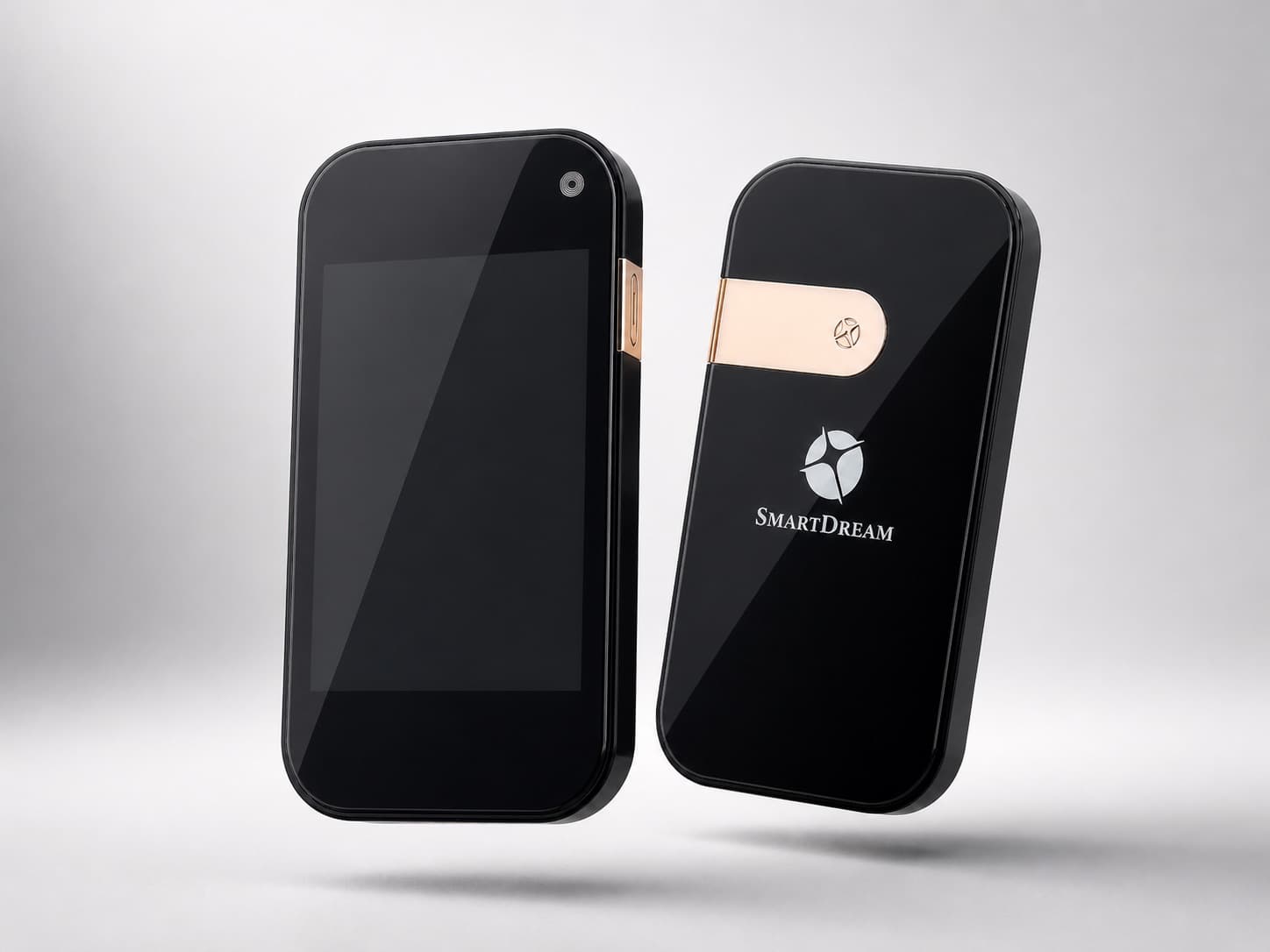
A non-pharmacological adjunct option for kids with ADHD.
SmartDream is a microcurrent wellness device that can serve as a non-pharmacological adjunct in everyday life for children and adolescents with ADHD. It does not replace medical treatment. Please consult a physician before use.
Best fit for these audiences.
- Families with a child or adolescent diagnosed with ADHD
- Parents seeking a non-pharmacological daily complement to medical treatment
- Children for whom inattention, impulsivity, and executive-function difficulties affect daily life
- Adolescents who also experience low self-esteem and peer-relationship difficulties
- Students who struggle to manage screen time
How SmartDream fits into daily life.
Step 01
Physician consultation comes first
If ADHD is suspected or diagnosed, see a pediatric psychiatrist first. SmartDream is not a substitute for diagnosis or treatment. Use it as a daily adjunct only.
Step 02
A non-invasive, non-pharmacological routine
A microcurrent delivered via a forehead patch supports balance in prefrontal-related regions. No skin penetration, no implanted substances: a non-invasive wellness approach.
Step 03
Observe alongside your physician
Discuss before/after use with your treating physician and observe responses together. Consultations are available at our partner clinics.
Frequently asked questions
More questions are available on the full FAQ page.
Can SmartDream treat ADHD?+
No. SmartDream is a wellness device, not a medical device. It does not diagnose, treat, or prevent ADHD. For diagnosis and medical treatment of ADHD, see a pediatric psychiatrist; use SmartDream only as a non-pharmacological adjunct in daily life.
Can it be used together with medication?+
Concurrent use has not generally raised major conflicts, but always consult your physician. Do not stop or change prescribed medication on your own. We recommend a consultation at a partner clinic before use.
Can other family members use it?+
The primary audience is elementary through high school students. Other age groups should consult a physician before use. Users with pacemakers/implanted electronics, pregnant women, and individuals with a history of epilepsy must consult a physician beforehand.
How long until changes appear?+
Individual variation is large. In Dr. Sid Ryu's 6-week observational study of 41 children and adolescents using SmartDream in his clinic, the average time to the first positive change reported by guardians was 3.2 weeks; 51% reported a change within 2 weeks and 73% within 4 weeks. For ADHD specifically, expect a longer observation window with physician assessment. Keeping a daily journal of changes is helpful.
Explore other use cases.
For Kids & Teens
Kids' sleep and focus, supported by microcurrent wellness, every day.
SmartDream is a wellness device for children and adolescents. A forehead patch delivers a mild microcurrent that supports balance in prefrontal-related brain regions. It is an everyday adjunct, not a medical device.
Read moreGolf Yips & Sleep Routine
Golf athletes' sleep routine: a new angle on golf yips.
Athletes at Song Kyung-seo Golf Academy run a before-bed sleep routine with SmartDream. It fits the daily routine of golfers managing their condition in high-pressure situations such as the yips.
Read more
Receive ADHD-related consultations at our partner clinics.
Get SmartDream
Ready to start with SmartDream?
Purchase or rent through our official channels. Read real user reviews on the official cafe.