28 min read
What to Know Before Looking for an ADHD Treatment Device: Differences Between Medical Devices, Digital Therapeutics, and Wellness Devices
For caregivers looking for an ADHD treatment device, we’ve summarized the differences between medical devices, digital therapeutics, and wellness devices.
* The image above was generated by AI.
When a child repeatedly shows distractibility, impulsivity, and difficulties with executive function, caregivers naturally start searching for “ADHD treatment device,” “non-medication ADHD treatment,” and “ways to help other than medication.”
Especially if you have concerns about medication, or if your child struggles with sleep, focus, or emotional regulation, you may want to find supportive methods you can use at home alongside other care. But there is one thing you should check first.
ADHD treatment devices, digital therapeutics, and wellness devices are classified differently.
Some products may be medical devices that require a physician’s prescription, while others may be digital therapeutics that go through approval and review by the Ministry of Food and Drug Safety (MFDS). On the other hand, some products may be wellness devices that are not intended for diagnosing, treating, or preventing disease.
In this article, we summarize the differences between device categories you should understand before looking for an ADHD treatment device, and where SmartDream fits among them.
Why More Caregivers Are Looking for ADHD Treatment Devices
ADHD is not simply a matter of having “a distracted child.” It can affect attention, impulse control, executive function, emotional regulation, sleep, school life, and even family relationships.
That’s why ADHD management is hard to complete with just one approach. Depending on the child’s condition, specialist care, medication, behavioral therapy, parent training, school environment adjustments, and daily routine management are considered together.
The CDC notes that for managing ADHD in children and adolescents aged 6 and older, medication and behavioral therapy can be considered together, and that effective behavioral therapy categories include parent training in behavior management, classroom behavioral interventions, peer interventions, and organizational skills training.
In other words, ADHD management is not a simple “medication or not” choice, but a comprehensive approach aimed at stabilizing a child’s overall daily life.
In this process, it’s natural for caregivers to be interested in non-medication options or supportive devices. However, because the search term “ADHD treatment device” mixes products from different categories, you need to understand the classifications before choosing a product.
Three Categories to Distinguish First: Medical Devices, Digital Therapeutics, and Wellness Devices
When looking at ADHD-related devices, you generally need to distinguish three categories.
First, medical devices. Medical devices are products approved and managed for medical purposes such as diagnosing, treating, or preventing disease. In the ADHD area, there are overseas cases of prescription medical devices using external trigeminal nerve stimulation.
Second, digital therapeutics. Digital therapeutics can be understood as a category of products that use software, etc., with the aim of preventing, managing, or treating disease. The MFDS revised and operates the digital therapeutics approval/review guideline on May 7, 2025. It also prepared, in December 2023, the “Guideline for Safety/Performance Evaluation and Clinical Trial Protocol Preparation for Digital Therapeutics to Improve Hyperactivity and Attention Deficit Disorder (ADHD).”
Third, wellness devices. Wellness devices, rather than directly claiming to diagnose, treat, or prevent disease, are products that support everyday health routines or condition management. In this case, you should not understand the product as “a device that treats ADHD,” and diagnosis and treatment should follow specialist medical care.
The reason this distinction matters is simple: even if you search with the same term “ADHD treatment device,” the product’s legal status and intended use can be completely different.
There Are Overseas Examples of Medical Devices Intended to Treat ADHD
In April 2019, the U.S. FDA permitted the marketing of the Monarch external Trigeminal Nerve Stimulation, or eTNS System. According to the FDA announcement, this device is the first medical device for treating ADHD, a prescription, non-drug treatment option for patients aged 7–12 who are not currently taking prescription ADHD medication.
There are two key points here.
First, this case involves a prescription product approved as a medical device.
Second, not every microcurrent or stimulation-based product automatically becomes an ADHD treatment device.
In other words, the existence of overseas medical-device cases intended to treat ADHD does not mean that every related product sold domestically can be called an “ADHD treatment device.” You must separately check each product’s approval status, intended use, target age, and whether a prescription is required. In Korea,
How Are Digital Therapeutics Different?
Digital therapeutics are different from general health apps or wellness apps. The MFDS Medical Device e-Civil Service System describes digital medical devices, within the scope of digital medical products, as “medical devices used for patient diagnosis, treatment, prevention, etc.” or “products for disease diagnosis/treatment/prognosis observation, treatment prediction, monitoring, or rehabilitation.”
Therefore, to be called a digital therapeutic, it is not enough that an app or device simply includes digital technology. Medical purpose, clinical evidence, approval/review procedures, intended users, and instructions for use must be reviewed together.
In the ADHD field as well, the fact that the MFDS has prepared related guidelines means that development and evaluation of digital therapeutics targeting ADHD may be addressed within the regulatory system going forward. However, from a caregiver’s perspective, it is more important to verify what approvals and authorizations the product has actually received than whether it carries the label “digital therapeutic.”
How Are ADHD Wellness Devices Different?
ADHD wellness devices have a different purpose from medical devices or digital therapeutics. Rather than claiming to diagnose or treat disease, wellness devices are closer to supportive products that help with daily condition management and health routines.
Situations in which you might consider a wellness device for a child who has ADHD or shows ADHD-like patterns include the following:
When a child has difficulty relaxing tension before falling asleep
When sleep routines are irregular and affect next-day focus
When you want to create a consistent organizing routine before and after studying
When you are looking for an everyday supportive method to use at home, separate from medication or professional counseling
When an approach of “building a routine” suits the child better than the burden of “receiving treatment”
However, wellness devices are not products that diagnose or prevent ADHD. If your child has been diagnosed with ADHD or symptoms are suspected, the priority is to consult a child and adolescent psychiatrist and have the current condition assessed.
Where Does SmartDream Fit?
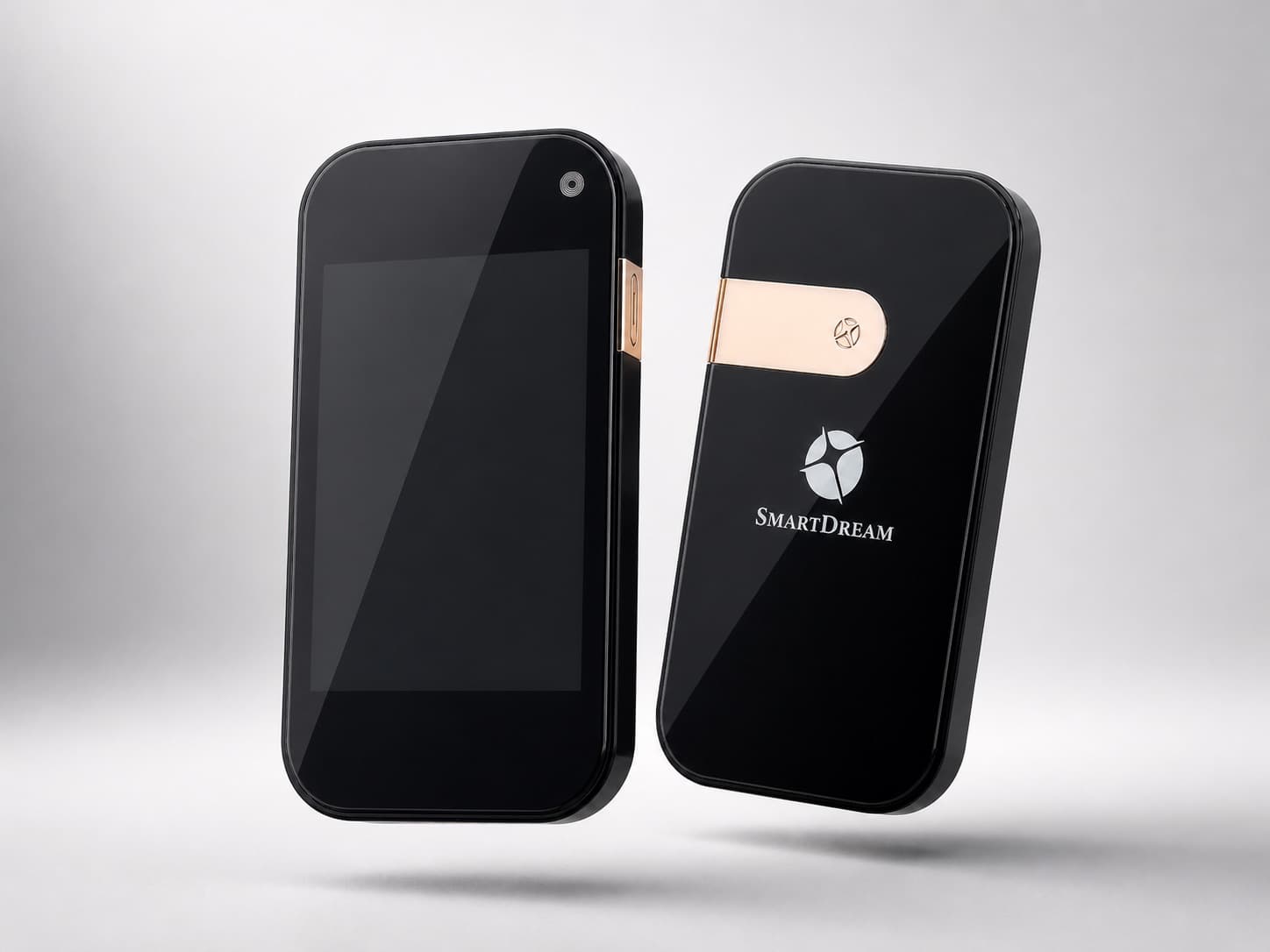
SmartDream is not an ADHD medical device or a digital therapeutic device, but a microcurrent-based wellness device.
SmartDream’s official use-cases page describes SmartDream as a patch-type wellness device for children and adolescents that attaches to the forehead and delivers a gentle microcurrent, and notes that it is an everyday support product rather than a medical device. It also states that supportive care use for ADHD does not replace medication treatment and recommends consulting a specialist before use.
The official website also describes ADHD supportive care as “a non-medication wellness option that supports distractibility and executive function difficulties in daily life,” and notes that it does not replace medication treatment and recommends consulting a specialist.
Therefore, the safest way to describe SmartDream is as follows.
SmartDream is not a medical device that diagnoses or prevents ADHD, but a microcurrent-based wellness device that supports a child’s sleep and attention routines in daily life.
What Caregivers Looking for an ADHD Treatment Device Should Check When Considering SmartDream
If you learned about SmartDream while searching for an ADHD treatment device, it’s best to understand it using the criteria below.
First, SmartDream does not replace an ADHD diagnosis.
Whether a child has ADHD cannot be determined through self-checks or product use alone. If symptoms persist and affect school and home life, specialist consultation is needed.
Second, SmartDream does not replace medication treatment.
If your child is already taking ADHD medication, you should not reduce or stop it based solely on a caregiver’s judgment. Medication adjustments must be discussed with the treating physician.
Third, SmartDream is a supportive option used within daily routines.
If your child has recurring difficulties—such as before bedtime, before/after studying, or at times when emotions escalate easily—it's natural to approach it as a way to help establish a consistent routine.
Fourth, you should view benefits from a “routine-building” perspective rather than as “treatment.”
Wellness devices should not be approached as if they guarantee treatment outcomes for a specific condition. They should be used supportively while also considering the child’s sleep, lifestyle patterns, parental responses, school environment, and counseling/treatment plan.
What to Work on Together at Home for a Child with ADHD
Even if you are considering a wellness device like SmartDream, the most fundamental element is your child’s daily routine.
Children with ADHD can feel more secure with visible structure and a repeatable environment than with “Just do it.” Here are things caregivers can check at home first:
1. Sleep routine
Lack of sleep can affect next-day concentration, emotional regulation, and impulsivity. If bedtime varies every day, or if stimulation from smartphones/videos/games continues right up until sleep, you should first organize the evening routine.
For example, it can help to reduce screen stimulation one hour before bedtime and create a repeatable sequence such as washing up, quiet activities, preparing for the next day, and lying down at a set time.
2. Study routine
If you demand long periods of focus from a child with ADHD, repeated experiences of failure can occur. Rather than “Focus for 30 minutes,” it is more realistic to break it into smaller chunks like “10 minutes of problems → 3-minute break → another 10 minutes.”
3. Parental responses
If you only point out problem behaviors, the relationship can deteriorate easily. What matters in behavioral therapy and parent training is noticing desirable behaviors immediately and responding in a predictable way. The CDC also explains that parent training in behavior management can help improve a child’s behavior, self-regulation, and self-esteem.
4. Collaboration with school
ADHD may not appear only at home. If there are difficulties at school with submitting assignments, bringing materials, peer relationships, or focusing in class, it is necessary to share information with the homeroom teacher and discuss environmental adjustments.
5. Specialist consultation
If symptoms persist for more than 6 months, recur both at home and at school, or the child is struggling, it’s a good idea to get a specialist evaluation. Products and routines cannot replace diagnosis and treatment, and a treatment plan tailored to your child should be developed with a professional.
Conclusion: If You’re Looking for an “ADHD Treatment Device,” Distinguish the Category First
For caregivers looking for an ADHD treatment device, the most important thing is distinguishing the category rather than focusing on the product name.
Depending on whether it is a medical device, a digital therapeutic, or a wellness device, the intended use, approval standards, need for a prescription, and the role you can expect will differ.
SmartDream is not a medical device that diagnoses or prevents ADHD. Instead, it is best understood as a microcurrent-based wellness device that supports a child’s sleep and attention routines in daily life and alongside treatment.
If ADHD is suspected or a child has already been diagnosed, prioritize specialist consultation and a treatment plan. On top of that, if you want to create repeatable sleep and focus routines at home, you may consider SmartDream as an everyday supportive option.
Frequently Asked Questions
Q1. Is SmartDream an ADHD medical device?
No. SmartDream is a wellness device, not an ADHD medical device. It is not a product that diagnoses or prevents ADHD, and it does not replace medication treatment.
Q2. Can a child who takes ADHD medication use SmartDream?
If your child is taking medication, it is best to consult the treating physician first. SmartDream is not a product that replaces medication treatment or determines whether medication should be reduced.
Q3. ADHD is suspected—can we try SmartDream first?
If daily life is difficult enough that ADHD is suspected, we recommend consulting a specialist first. SmartDream is not a diagnostic tool and does not evaluate a child’s condition or decide the direction of treatment. However, after a specialist consultation, if used alongside medication treatment, it may be more likely to produce beneficial effects.
Q4. For which caregivers is SmartDream suitable?
It may be considered as a supportive option for caregivers who want to build a child’s sleep routine, pre-/post-focus routine, and emotional wind-down time into daily life. However, it’s best to decide on product use by considering the child’s condition, whether there is existing treatment, and the living environment together.
Notes on Using Medical Information
This article is general informational content and does not replace an individual child’s diagnosis or treatment. ADHD diagnosis, medication treatment, behavioral therapy, and whether to use a device should be decided in consultation with a specialist. SmartDream is a wellness device, not a medical device, and it is not intended to diagnose, treat, or prevent diseases, including ADHD.
- adhd 의료기기
- adhd 치료기기
- adhd 웰니스기기
- 디지털치료기기

류한욱 원장
Pediatric psychiatrist, SmartDream developer. Read more
Explore with AI
Keep reading
ADHD daily support
Quiet ADHD Symptoms: Easy-to-Miss Signs in Children and Adults, and a Self-Check Guide
ADHD daily support
High-IQ ADHD Symptoms: Why ADHD Can Be Harder to Spot in Brighter Children
ADHD daily support
Medikinet Side Effects, How It Differs from Concerta, and What Parents Should Check First